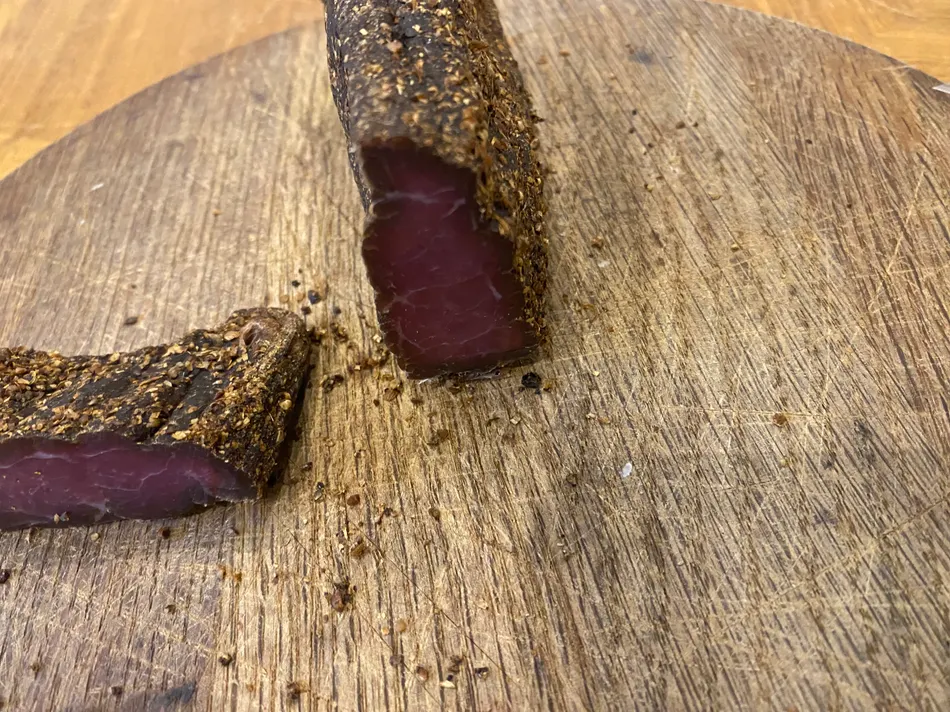
Comparing vinegars
Five pieces of beef, three vinegars. I wanted to see what changed in the flavour, the chew and the way each piece dried.
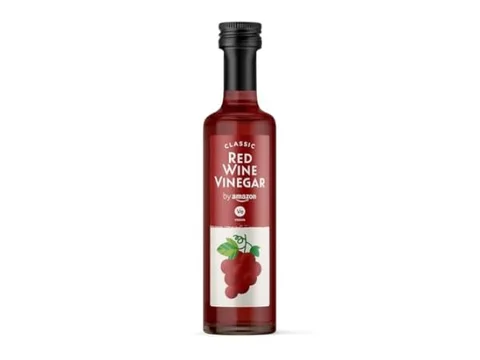
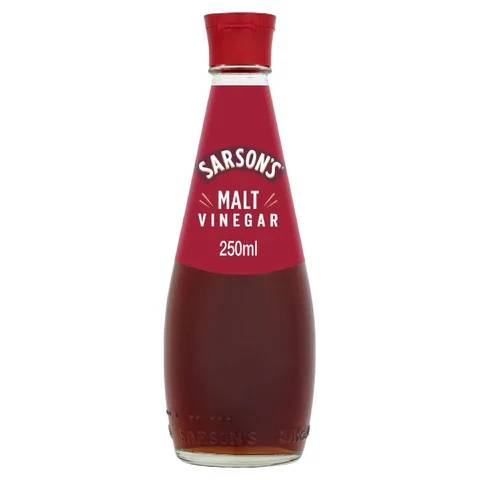
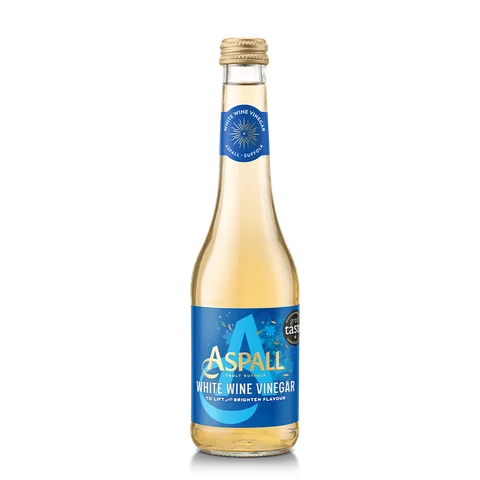
My favourite was red wine
In this batch, red wine vinegar was my favourite for its slight sweetness. White wine came next, followed by malt. This is one batch, not a final recipe.
Beef and seasoning
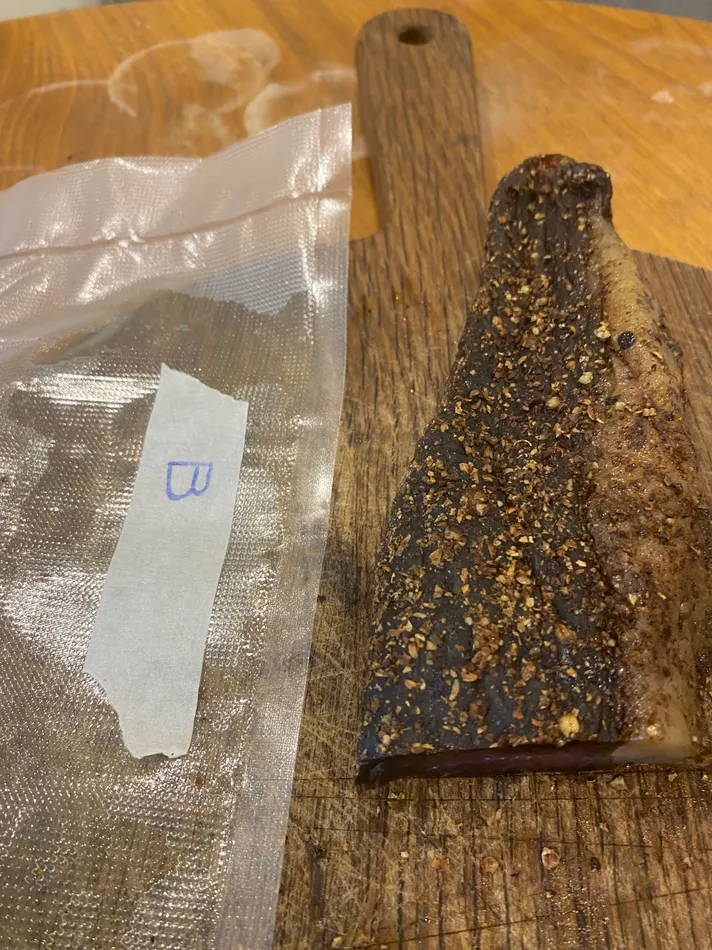
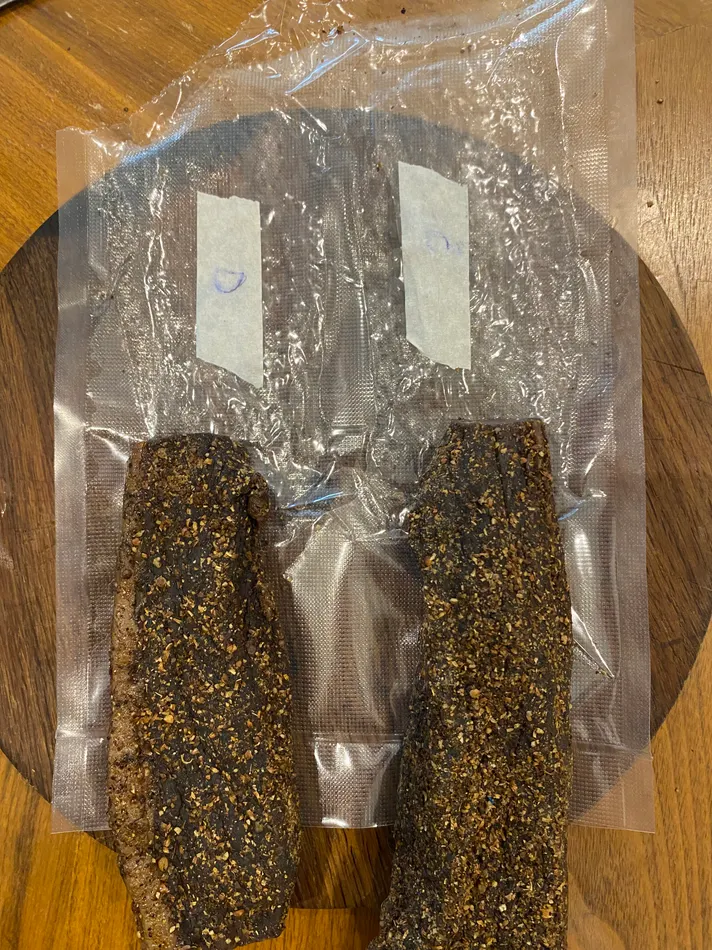
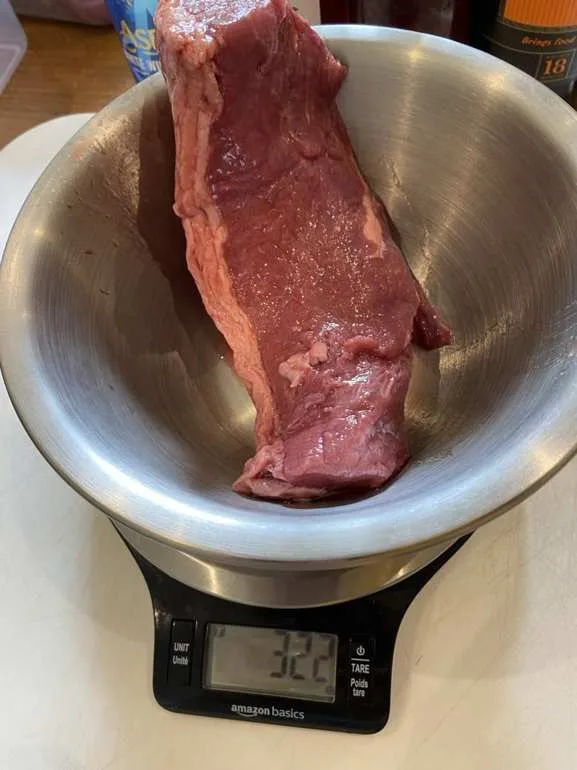
I used five pieces of silverside, about 2.5 to 3 cm thick, with red wine, malt or white wine vinegar, salt, coriander and black pepper. I labelled the pieces A to E and recorded their raw weights.
Recorded quantities
The raw beef weighed 1,873 g in total. The later coriander record totals 37.4 g, about 2% of the raw beef weight.
Scroll sideways to see all columns.
| Sample | Vinegar | Raw beef | Recorded coriander |
|---|---|---|---|
| A | Red wine | 322 g | 6.4 g |
| B | Red wine | 335 g | 6.7 g |
| C | Malt | 463 g | 9.2 g |
| D | Malt | 346 g | 6.9 g |
| E | White wine | 407 g | 8.2 g |
Calculated recipe quantities
These are the recipe quantities recorded during preparation. The coriander column shows the original calculation; the later recorded coriander measurements are in the table above.
The original calculation allowed for 20.6 g of coriander. The later recorded measurements total 37.4 g. I have kept both records here so that difference is clear.
Scroll sideways to see all columns.
| Sample | Vinegar | Salt | Coriander | Black pepper |
|---|---|---|---|---|
| A | 12.8 ml | 6.7 g | 3.5 g | 2.6 g |
| B | 13.4 ml | 7.0 g | 3.7 g | 2.7 g |
| C | 18.4 ml | 9.7 g | 5.1 g | 3.7 g |
| D | 13.8 ml | 7.2 g | 3.8 g | 2.8 g |
| E | 16.4 ml | 8.6 g | 4.5 g | 3.3 g |
Drying and tasting
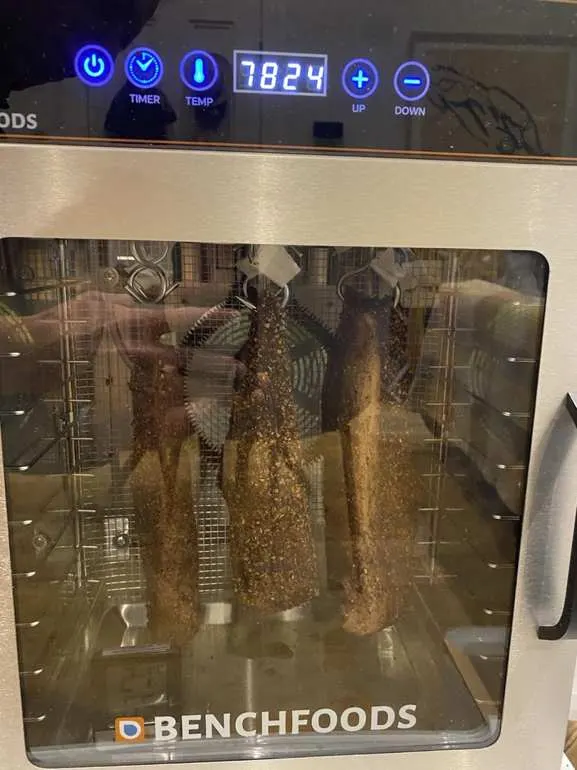
I noted readings of about 22 to 24°C and 50% relative humidity on the Bench Foods dehydrator. These were readings from the machine when I checked it, rather than a separate continuous temperature and humidity log. The final weights for B, C, D and E are now confirmed. The percentages below compare each final weight with its original raw weight, rather than a separate measurement immediately before drying.
Scroll sideways to compare all five samples.
| Record | A | B | C | D | E |
|---|---|---|---|---|---|
| Vinegar | Red wine | Red wine | Malt | Malt | White wine |
| Starting weight | 322 g | 335 g | 463 g | 346 g | 407 g |
| Drying time | 96 h | 120 h | 120 h | 120 h | 120 h in earlier log; six days reported with the cross-section |
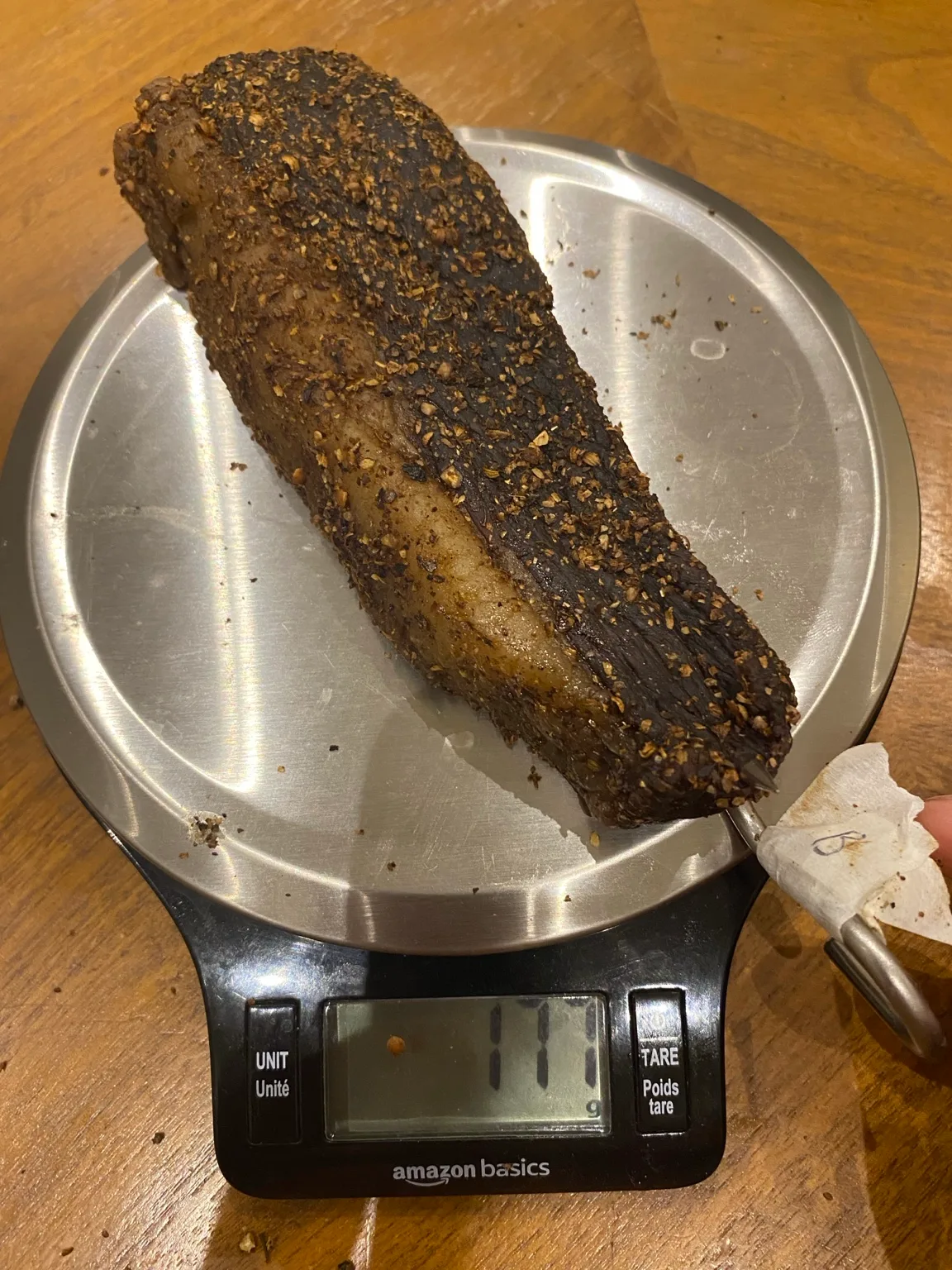
| Final weight | Not recorded | 177 g | 264 g | 200 g | 248 g |
| Weight loss from raw weight | Not calculated | 47.2% | 43.0% | 42.2% | 39.1% |
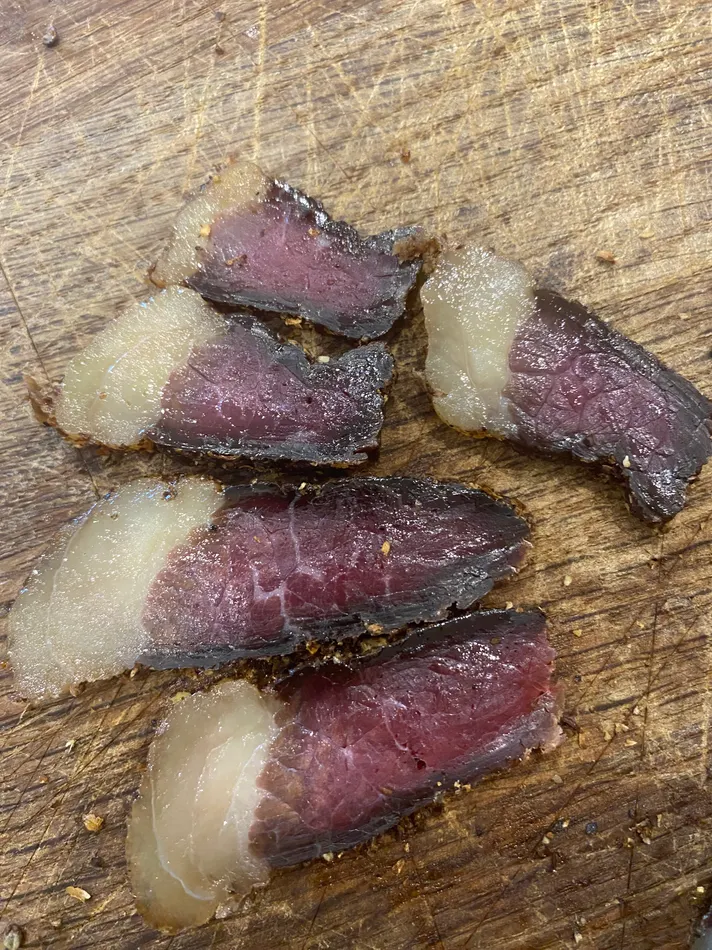
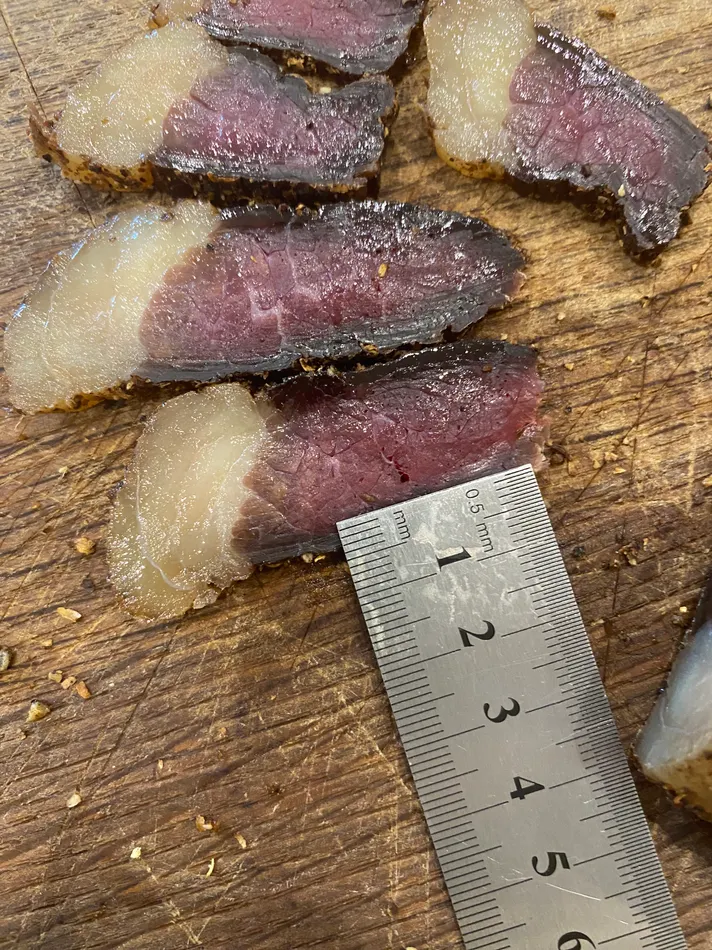
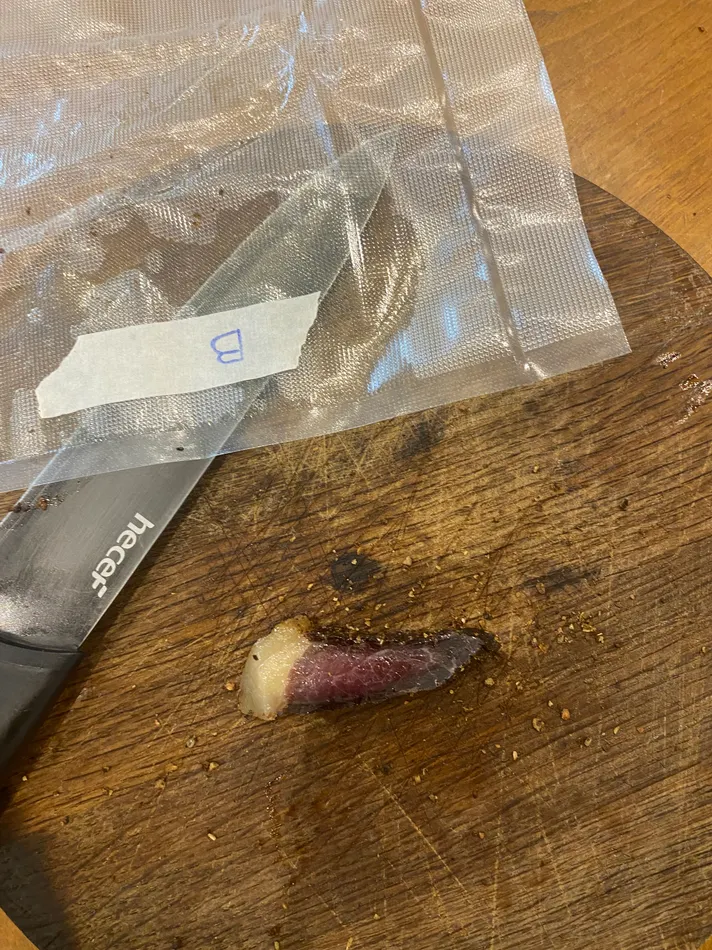
| Tasting notes | Pleasant flavour; firmer outside, before freezing | Sweet; the fat added flavour. Favourite. | Muted flavour; texture was fine (shared C/D notes). | Muted flavour; texture was fine (shared C/D notes). | Preferred to malt; flavour was still subdued. |
| Chewiness / 10 | Not recorded | 4 to 5 | About 5 (C/D) | About 5 (C/D) | About 5 |
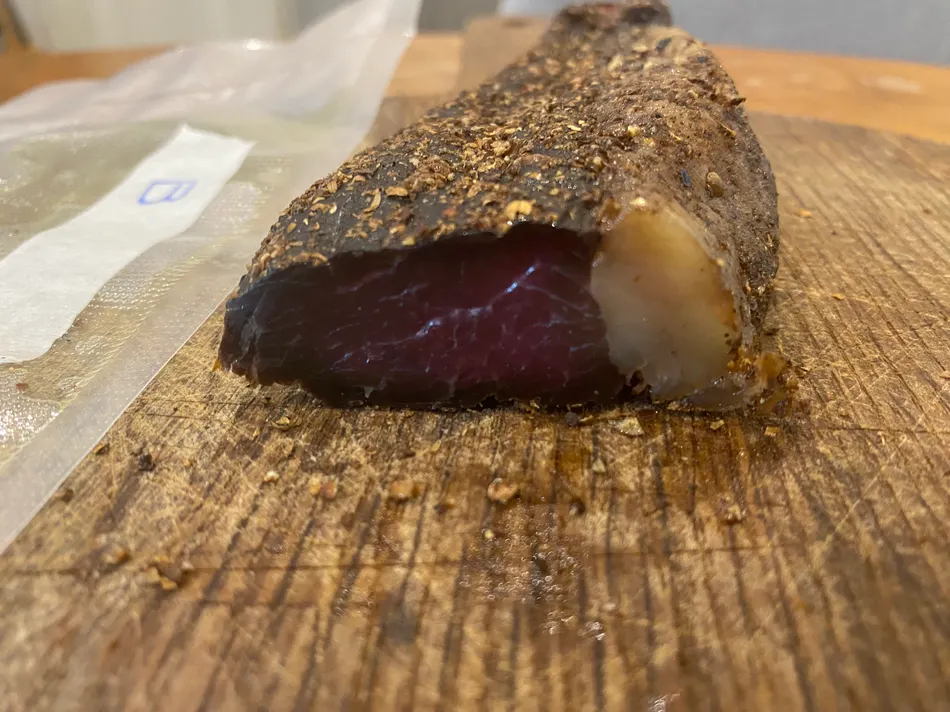
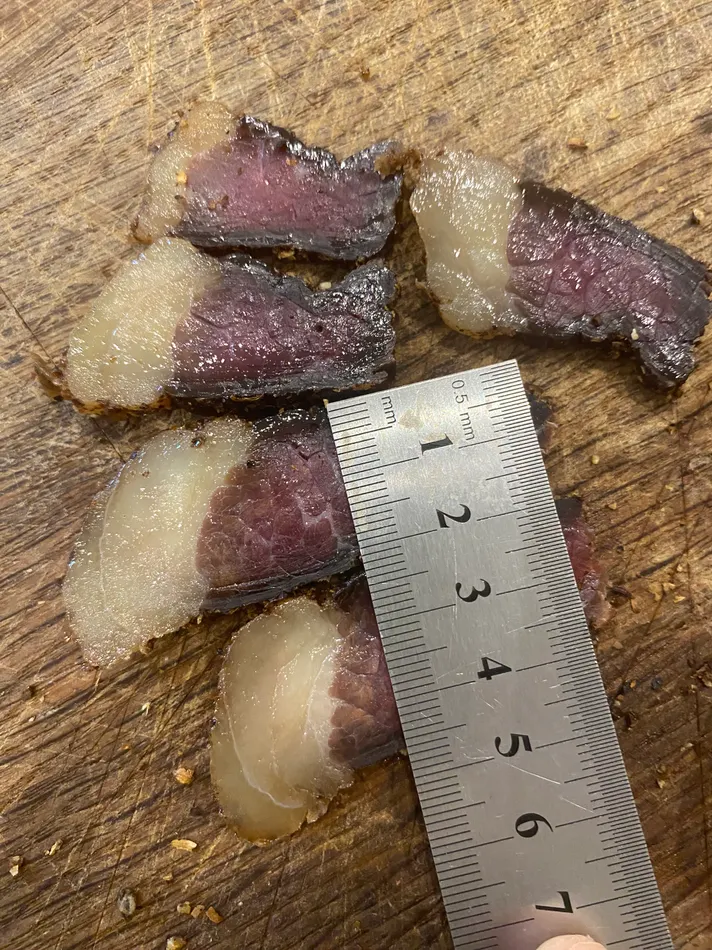
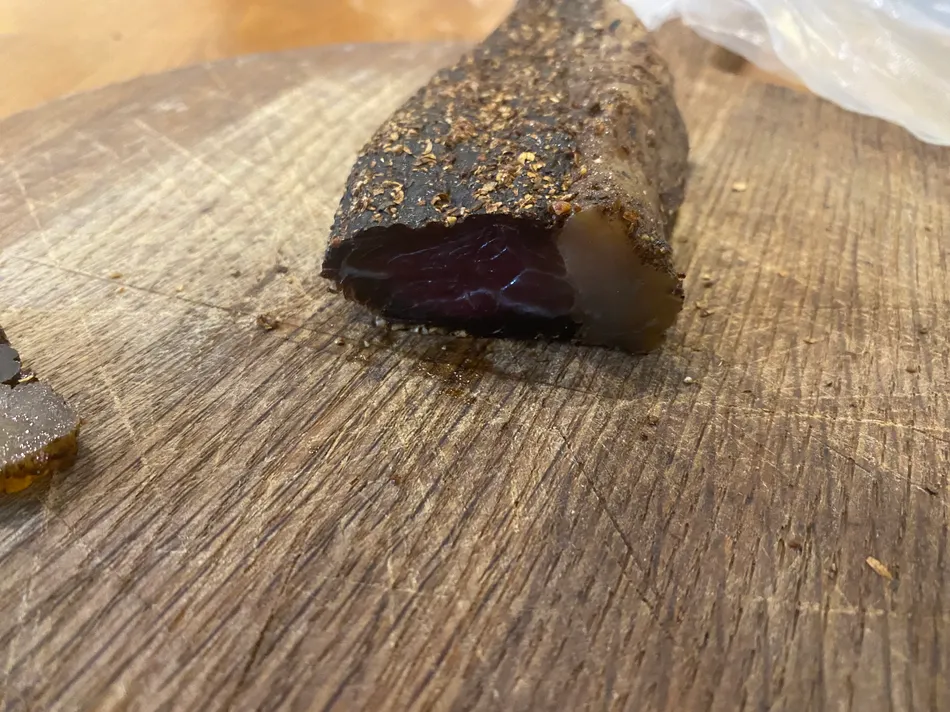
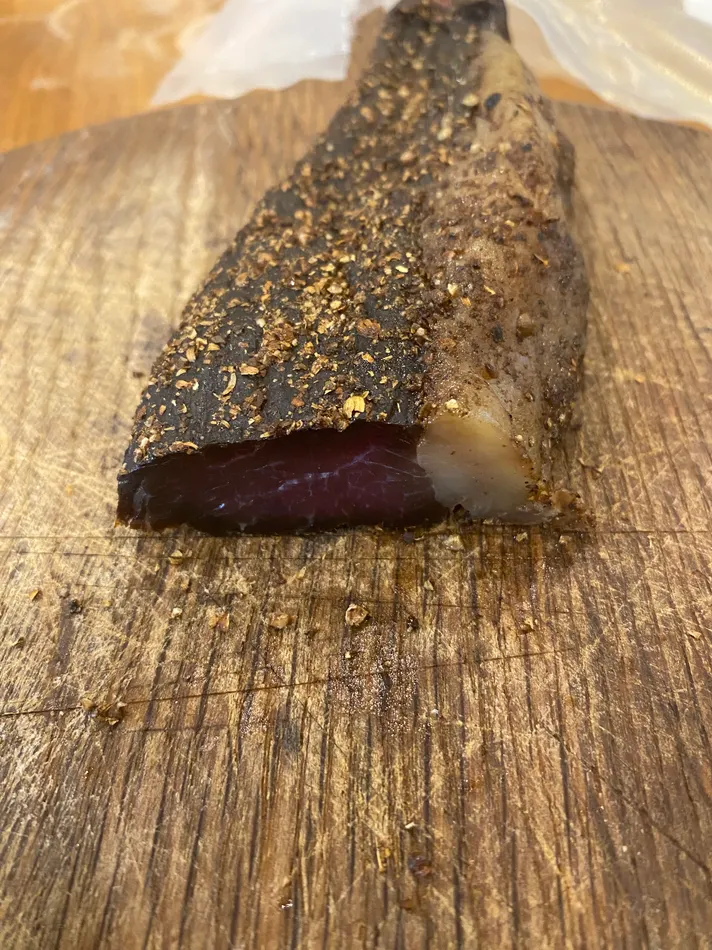
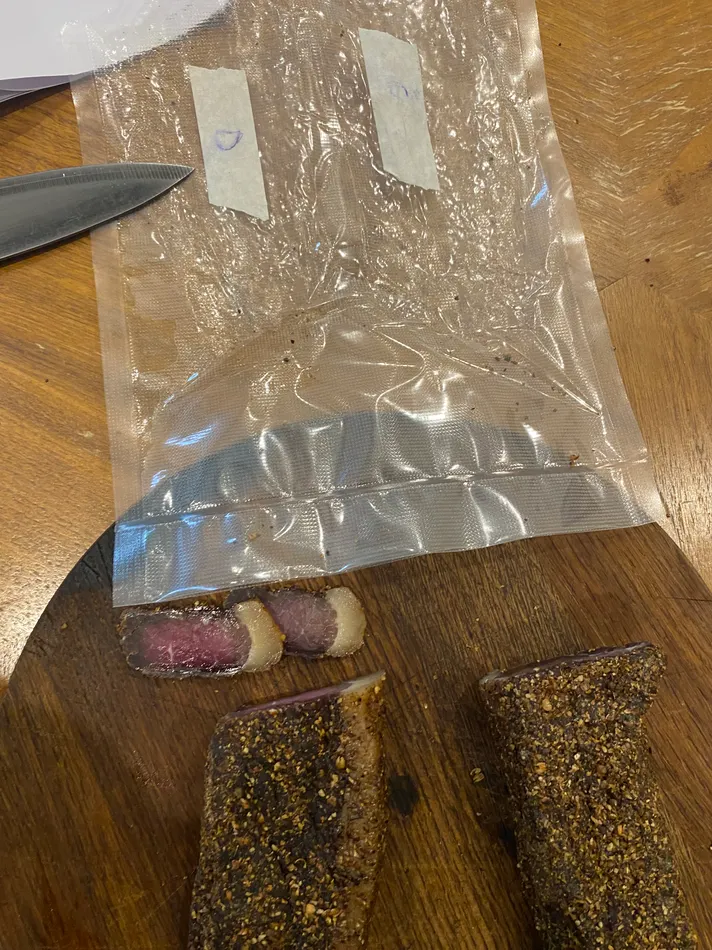
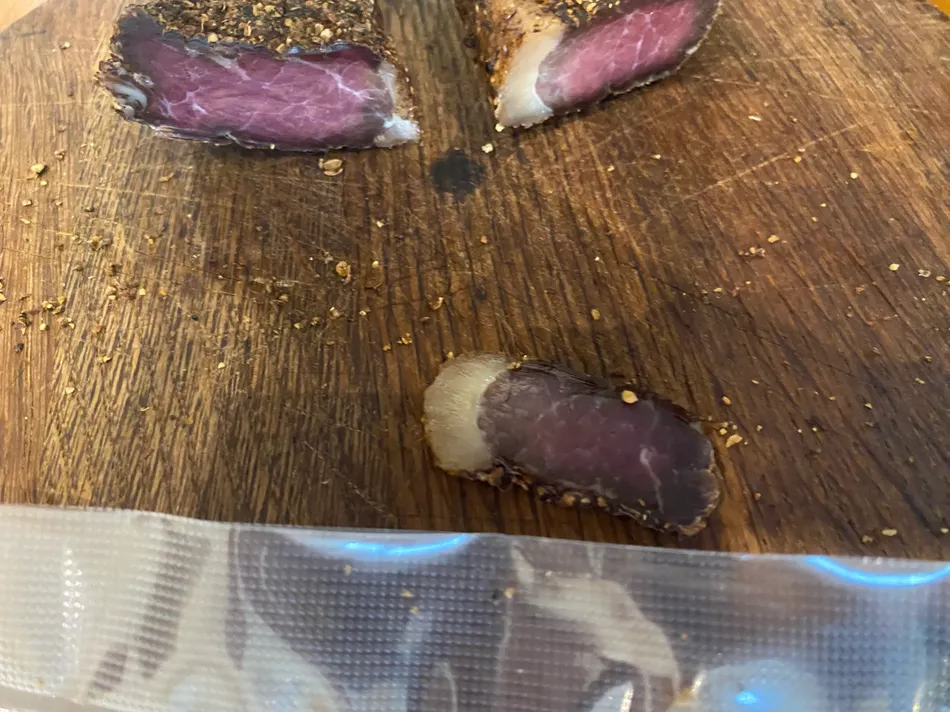
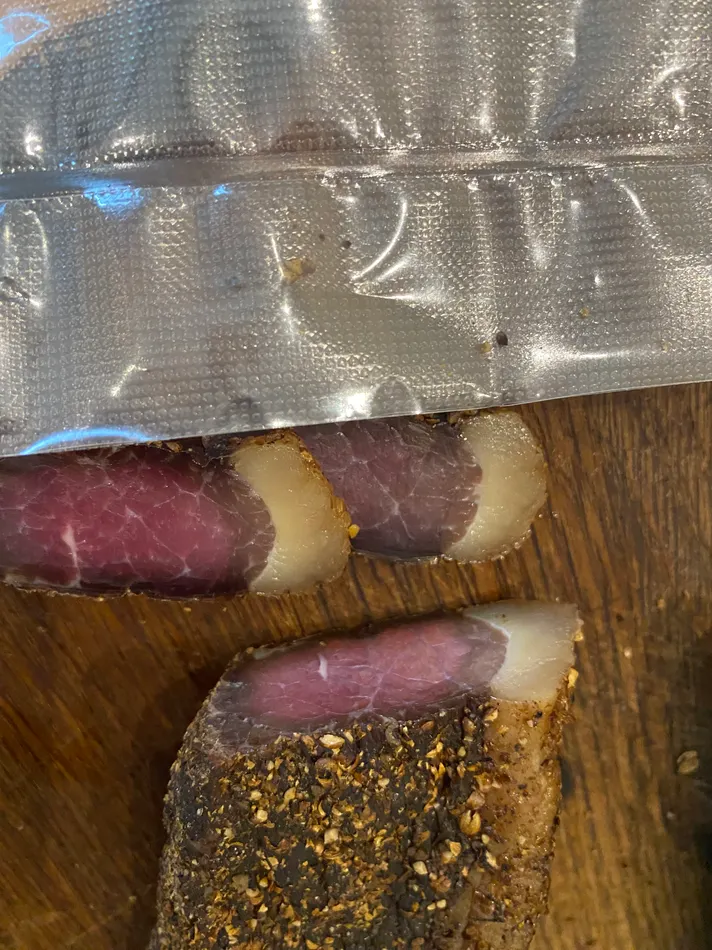
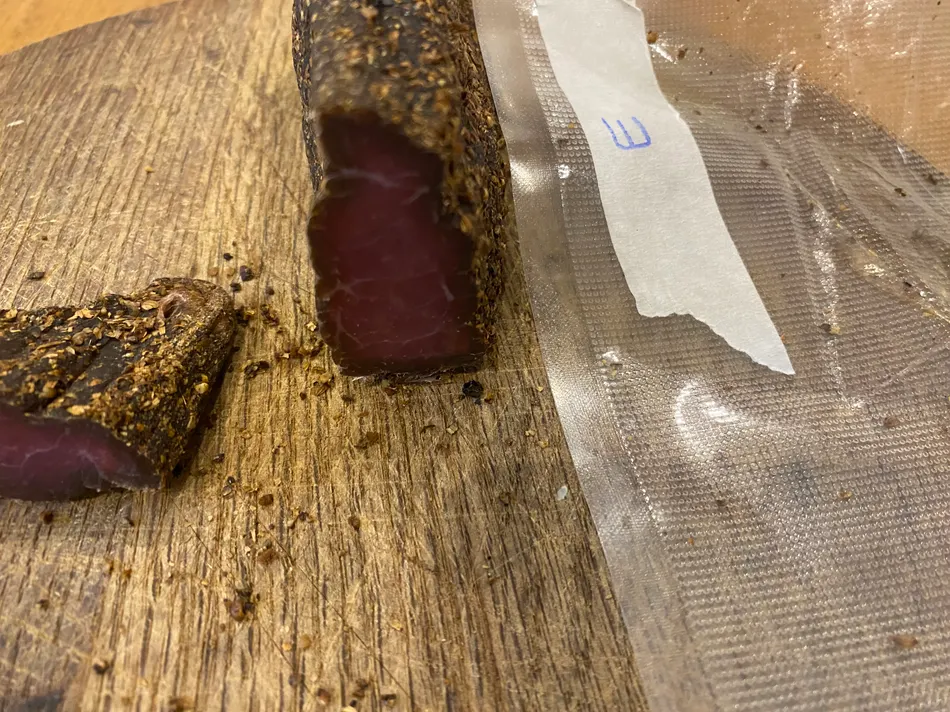
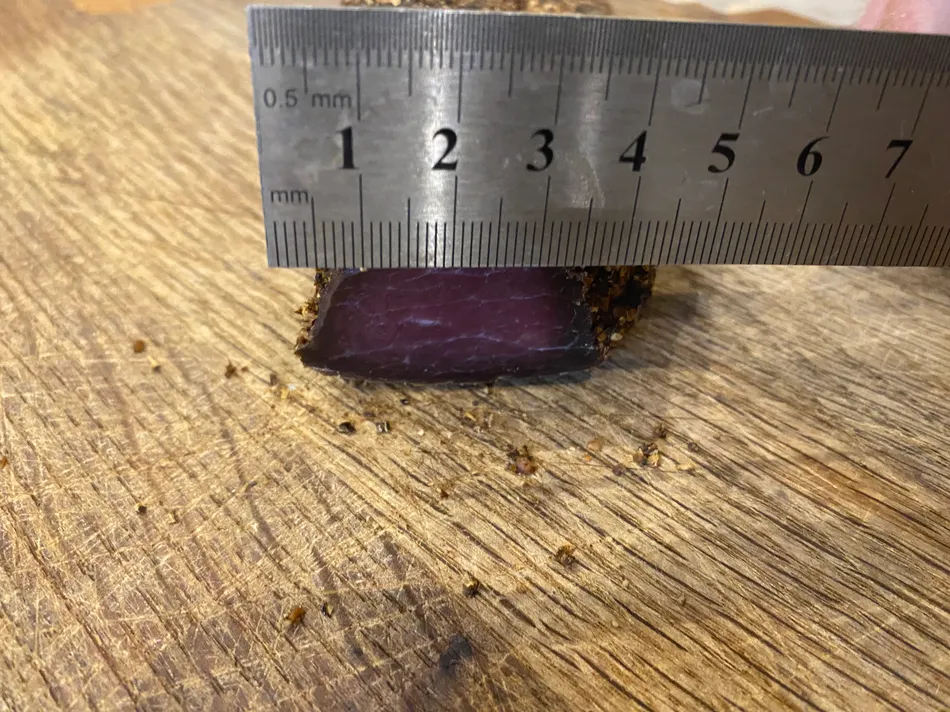
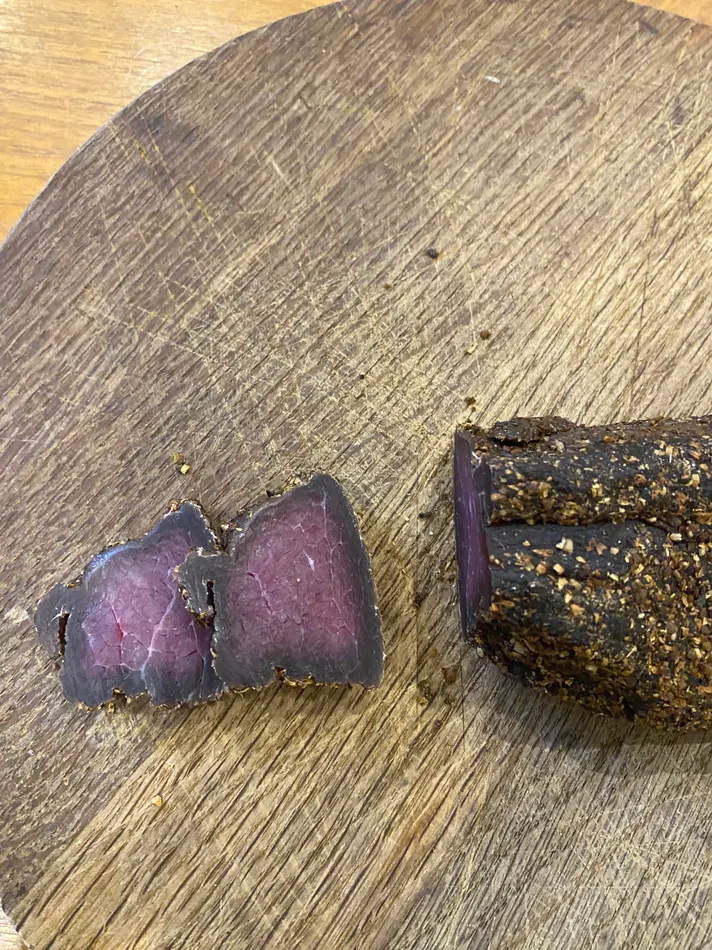
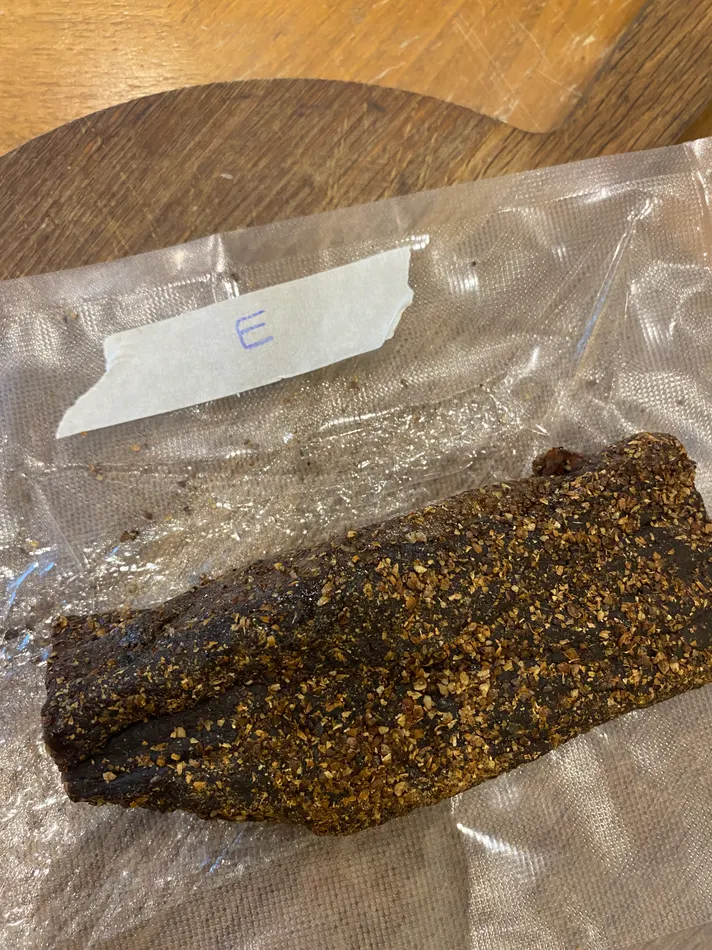
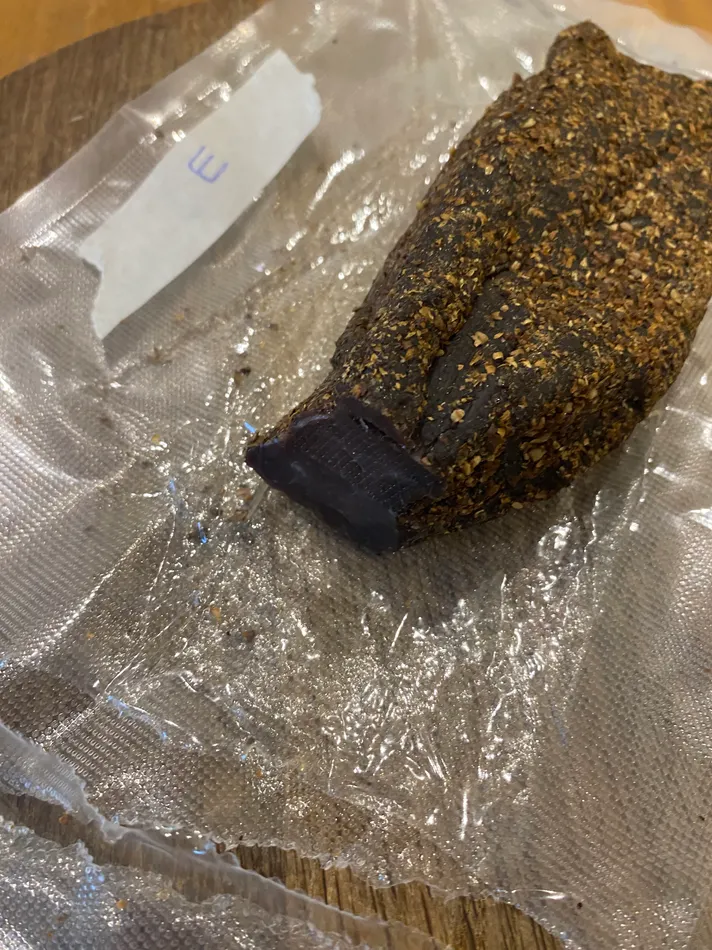
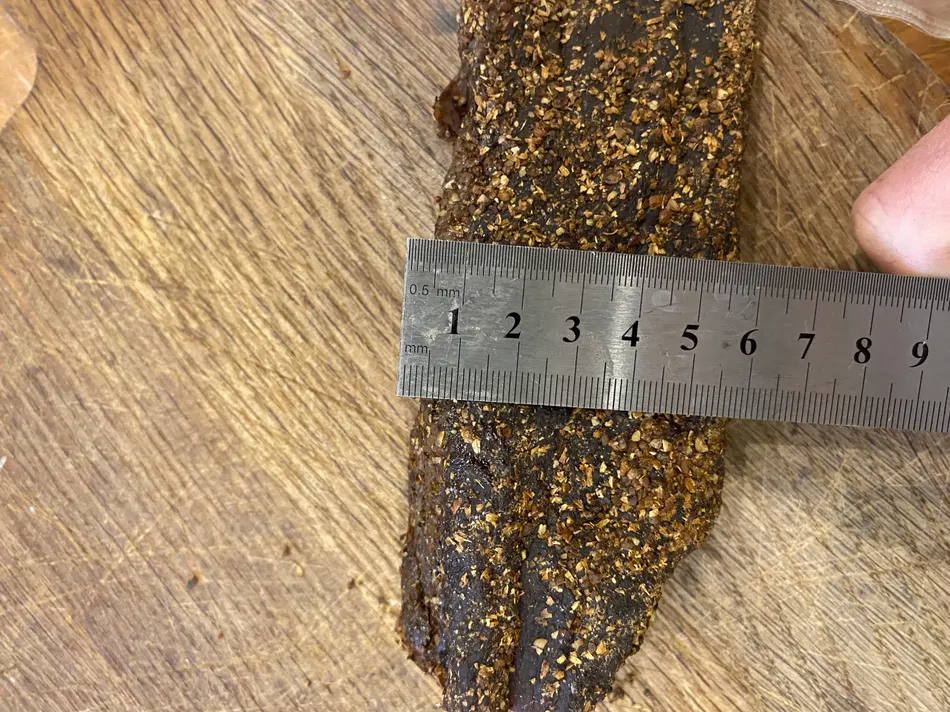
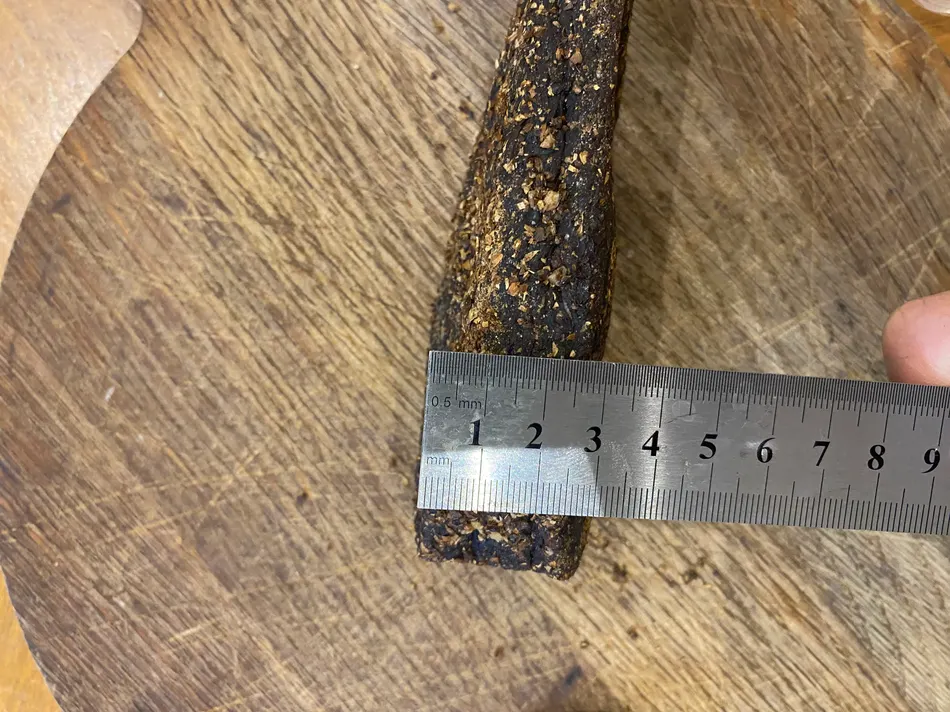
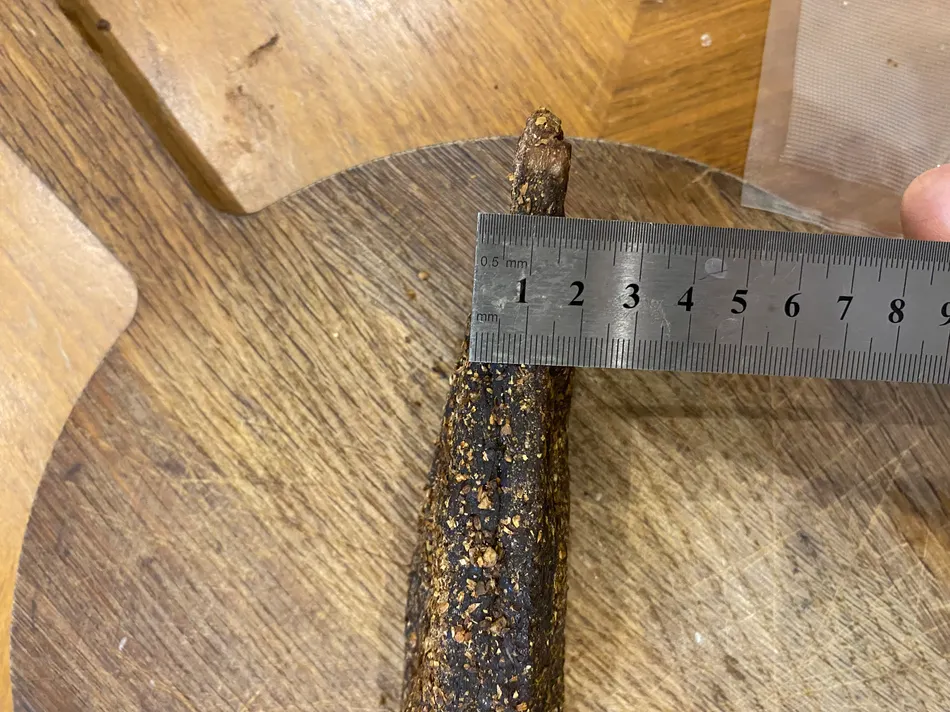
| Cross-section | Not recorded | Ruler included for scale. | Visible drying gradient (C/D). | Visible drying gradient (C/D). | Good colour gradient. Roughly 6 × 3 cm at the thickest section, reported after six days. |
| Photos | Not recorded |
As for Sample A: this one never made it back to the scales. I ate the evidence.
Tasting notes
Red wine vinegar is definitely my favourite because of the slight sweetness. White wine vinegar came next, followed by malt. Sample B was my favourite piece, and the fat added flavour.
The outside looked firmer than the centre. I can see why someone might think it is case hardening, but I have not established what caused it.
These are my batch notes, not a validated preservation method. The visible colour gradients are drying observations, not a diagnosis of case hardening. Weight loss and photographs alone do not establish food safety. More experiments